Aerospace engineering teams work with some of the most sensitive technical information in any industry. Design specifications for propulsion systems, flight test data from prototype builds, maintenance procedures for critical aircraft systems, and manufacturing process documentation for defense contracts. This knowledge spans decades-long product lifecycles and involves highly classified or commercially sensitive information that cannot simply be uploaded to a cloud service or sent to an external AI provider.
Yet knowledge remains frustratingly fragmented. Flight test engineers search through hundreds of test reports to find precedent data. Maintenance technicians in MRO facilities hunt through revision after revision of manuals while aircraft sit grounded. Prototype teams solving novel manufacturing challenges can’t easily access lessons from previous programs.
The aerospace industry faces a unique constraint: while other sectors can experiment with tools like ChatGPT or cloud-based AI assistants, aerospace organizations often cannot. Many operate air-gapped environments where data physically cannot leave internal servers. The question isn’t whether generic AI tools work well enough, it’s whether they can be used at all.

The Data Sovereignty Requirement
Unlike industries where trying consumer AI tools is simply inefficient, aerospace faces fundamental barriers to their use. Technical data related to defense systems, proprietary propulsion designs, or next-generation avionics can rarely, if ever, be transmitted to any servers, regardless of contractual assurances.
Export control regulations like ITAR or national equivalents restrict where defense-related technical data can reside and who can access it. European aerospace companies face additional considerations around data sovereignty. Even for commercial aerospace, the competitive value of manufacturing processes, material specifications, and design methodologies makes external data transmission unacceptable.
Any AI-powered knowledge system must operate entirely within organizational infrastructure. Not in a multi-tenant cloud where data technically stays separated, but within dedicated, single-tenant environments that aerospace security teams can validate and control. For programs operating in air-gapped environments, systems must function without any external connectivity whatsoever.
On-Premises Deployment as Foundation
In aerospace, on-premises or dedicated deployment isn’t a premium option, it’s table stakes. The question becomes: given that deployment must respect these constraints, what capabilities become possible?
Purpose-built AI systems designed for aerospace recognize data sovereignty as a fundamental requirement, not an add-on. They operate as containerized deployments within organizational infrastructure, whether that’s on-premises data centers, private cloud environments, or completely air-gapped networks. The system, the data, and all processing remain within boundaries the organization controls.
This architectural approach enables aerospace organizations to build knowledge capabilities that would otherwise be impossible. Instead of choosing between knowledge accessibility and security requirements, properly designed systems deliver both. Flight test data, prototype manufacturing insights, and maintenance expertise become accessible through conversational interfaces while remaining within approved security boundaries.
The system connects to existing technical documentation repositories (PDM systems, technical libraries, maintenance databases) without data migration. It indexes content where it lives, processes queries locally, and surfaces answers with complete source traceability. For organizations with mature operational systems, integration can extend to understanding context about specific programs, facilities, or equipment.
Capturing Operational Knowledge from Complex Programs
Beyond making existing documentation accessible, aerospace knowledge systems create opportunities to preserve operational expertise developed during complex programs. This matters particularly in environments where standard procedures don’t yet exist or where solving novel challenges generates insights worth preserving.
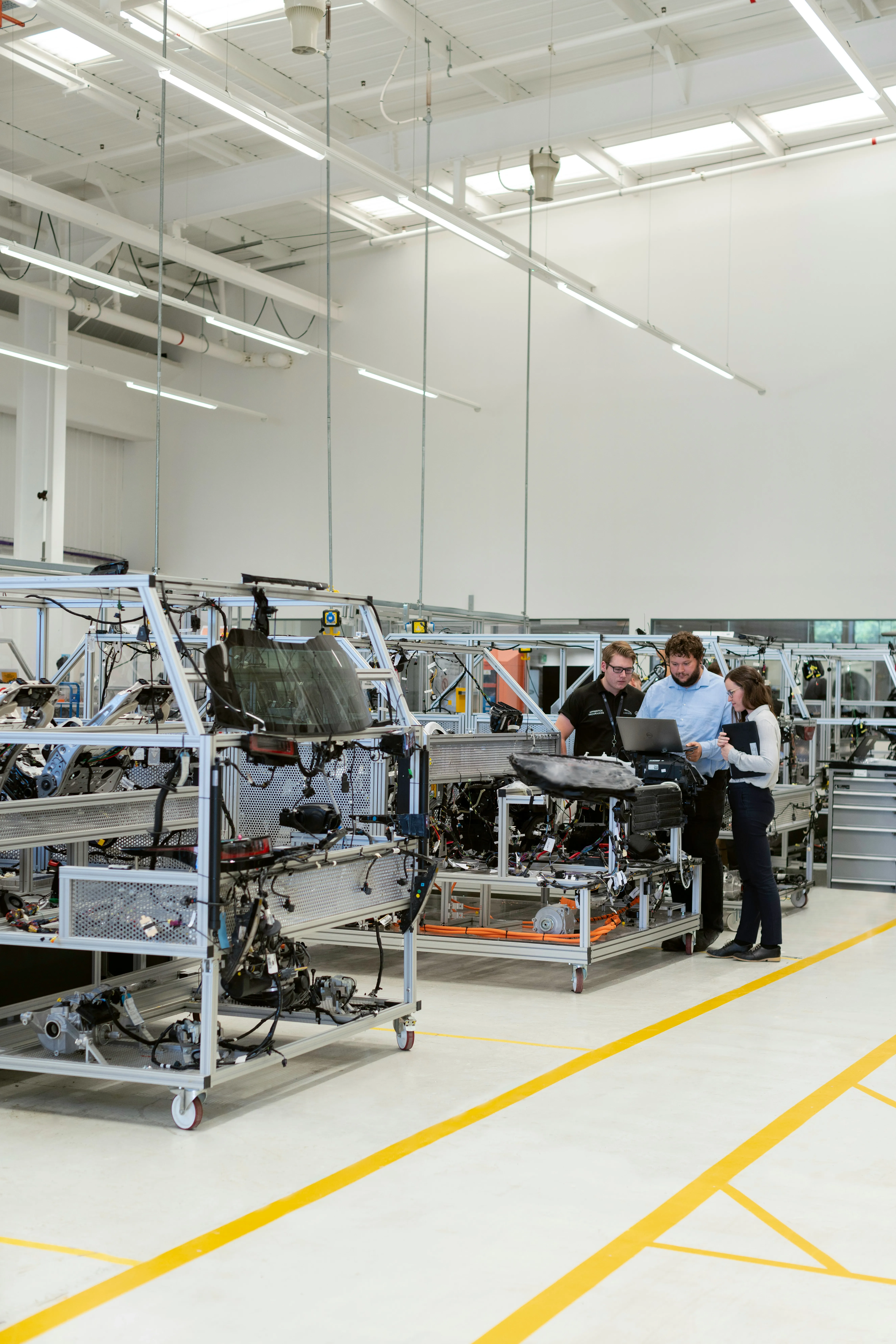
During prototype builds, manufacturing engineers solve problems that aren’t documented in standard procedures. When they work out fixture designs for composite layup or develop specialized tooling, that expertise typically stays in their heads. Flight test programs generate enormous data, but the insights about why certain test approaches worked or how specific failure modes manifested often exist only in engineers’ notes. In MRO operations, experienced technicians develop deep knowledge about how specific systems fail and which repair techniques prove most reliable.
A knowledge system designed for operational learning allows these solutions to be structured and added to the knowledge base after appropriate engineering review. This captured expertise becomes accessible to the broader organization rather than remaining locked in individual experience.
Applications Across Aerospace Operations
In engineering and design centers: Engineers locate technical specifications, design rationale, and validation data from previous programs by searching across technical documentation regardless of which system stores it. Manufacturing engineers access design intent and constraints when developing production processes, understanding not just what was specified but why those decisions were made.
During prototype and flight test programs: Test engineers query historical flight test data to understand precedent for new validation scenarios. Manufacturing teams troubleshoot novel assembly challenges by accessing lessons from previous prototype builds. Program engineers capture solutions to unique problems in ways that become searchable for future programs, building institutional knowledge that survives program transitions.
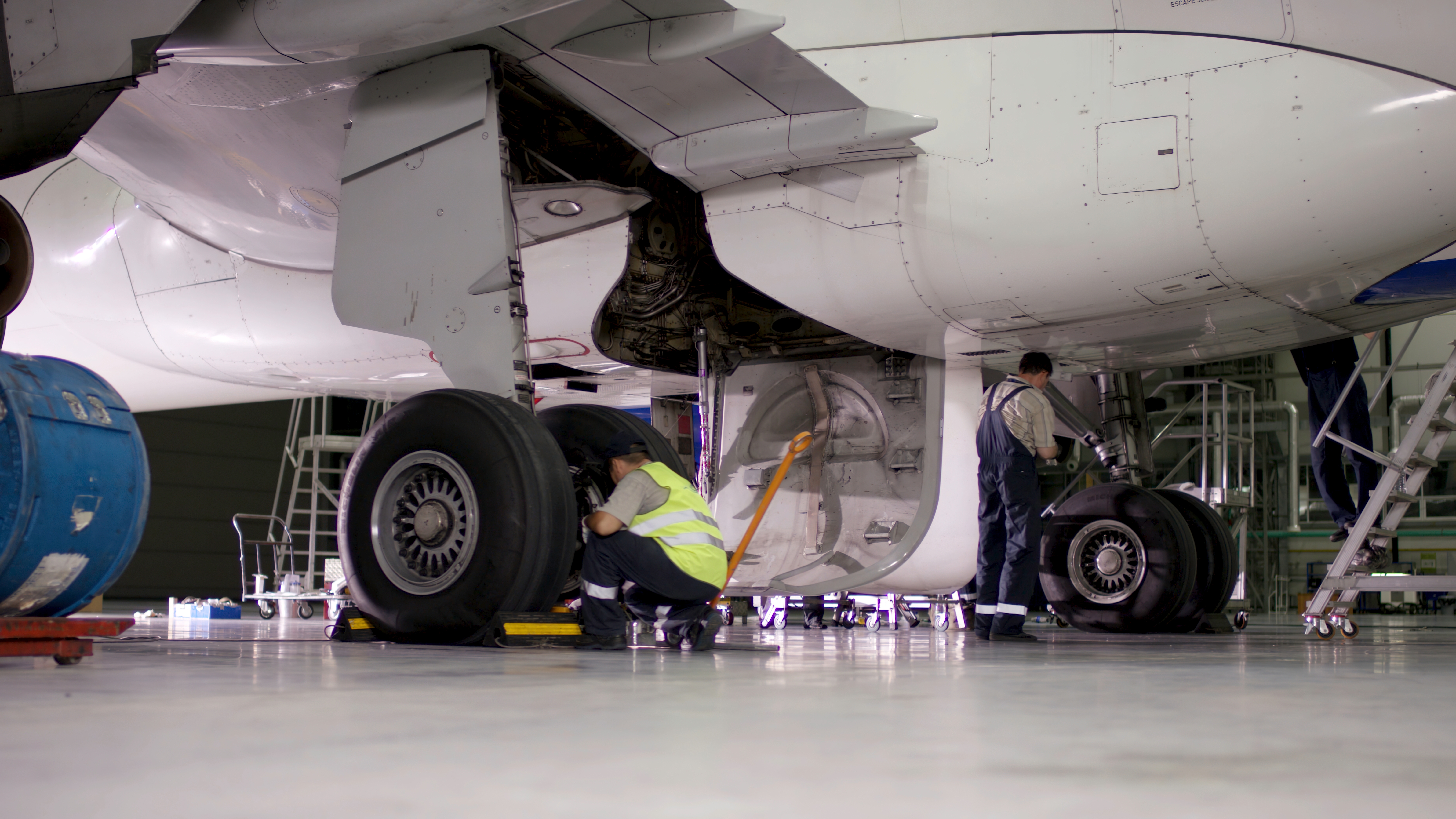
In MRO and field service operations: Maintenance technicians encountering complex issues see relevant procedures, wiring diagrams, service bulletins, and (if similar issues have been resolved before) notes from technicians who solved them previously. Instead of lengthy searches while aircraft remain grounded, answers surface in seconds. Quality teams investigating recurring issues trace patterns across maintenance records and correlate them with design documentation.
The Strategic Dimension
For aerospace organizations, knowledge infrastructure that respects security requirements while enabling operational learning delivers several strategic advantages:
-
Program velocity and efficiency: Time spent searching for information rather than using it represents hidden drag on program timelines. Knowledge systems that surface answers in seconds rather than hours compound efficiency gains across thousands of engineering and technical staff.
-
Knowledge preservation across long lifecycles: Aerospace products remain in service for 30-40 years or more. Systems that capture not just formal documentation but operational expertise help preserve institutional knowledge as engineers retire and suppliers change.
-
Competitive advantage in advanced manufacturing: High-tech aerospace manufacturing involves proprietary processes, specialized materials, and difficult assembly techniques. Organizations that systematically capture and share manufacturing expertise across programs develop capabilities that become competitive advantages. This knowledge must remain tightly controlled, making external cloud services inappropriate regardless of their technical capabilities.
Implementation Realities
Modern AI solutions designed for aerospace work with existing technical infrastructure rather than requiring replacement. Technical documentation repositories, engineering systems, and operational databases continue operating as they do today. The AI layers above these systems, making information accessible without content migration or workflow disruption.
Implementation typically begins with focused applications that demonstrate value quickly. A prototype manufacturing team, a specific MRO facility, or a flight test program becomes the initial deployment. Teams prove the approach works, build organizational confidence, and progressively expand scope. Organizations often see measurable improvements in information access time within weeks of deployment.
The question for aerospace organizations isn’t whether knowledge fragmentation creates inefficiency and risk. It demonstrably does. The question is whether building knowledge infrastructure that respects security requirements while enabling operational learning becomes a strategic priority, or remains something acknowledged as valuable but never systematically addressed. For organizations competing on engineering excellence and manufacturing capability, treating knowledge management with the same rigor applied to product development and quality systems increasingly separates leaders from followers.